
by Stephen Arterburn, teaching pastor at Northview Church, Carmel, Indiana; founder and chairman of New Life Ministries; editor, Every Man’s Bible; and coeditor, The Life Recovery Bible
Is there anything that has not been written about biblical manhood? Books, articles, and videos abound with calls for men to demonstrate character, integrity, authenticity, and especially “servant leadership.” In an attempt to not write what has already been written over and over again, I present the following ideas.

First, the term servant leadership is an inaccurate and inadequate description of Paul’s instructions to men in the fifth chapter of Ephesians. A “servant leader” stoops to serve only when he chooses to do so; it is a very tidy role with a narrow focus on serving others. Yet it is already obvious to most Christian men that they need to avoid misinterpreting Scripture as a call to biblical demandhood instead of manhood. They understand that Paul’s words set a standard far beyond that of servant leadership.
Biblical manhood calls us to “Die to Yourself Leadership,” and it is not easy or tidy, which is perhaps why it is not taught in leadership seminars. It is not about coming in from a day of golf and helping with the dishes after dinner. The biblical mandate calls for sacrificing being the fourth man in the foursome outing whenever the family needs us to be present with them.
It is not just being willing to pay for a child to get Christian counseling; it is also getting help for ourselves so we can lead the way by modeling the humility and willingness required to obtain help.

Biblical manhood goes beyond playing catch with the kids and showing up for their games. It is showing up and supporting a son who would rather rock climb, bowl, dance, or sing because he doesn’t like contact sports.
Being a provider and protecting the family are important, but being present is a far greater priority. When we are with them, we need to be fully there, engaged and connected, rather than glued to a television screen, laptop, or cell phone. We need to be eyeball-to-eyeball with family members, downloading love to them.
“Die to Yourself Leadership” refuses to be a donor to the fatherless generation. Even when we’re tempted to abandon our families and let our kids be raised by their mother, we don’t follow through with it. We stay and work through the problems to prevent all sorts of new problems and traumas that come with divorce.
Biblical manhood requires us to do what we don’t want to do exactly at the time we don’t want to do it. We courageously do what needs to be done, when it needs to be done, no matter the consequences—because it is the right thing for any man to do. All our actions are based on the truths of the Bible—not popular philosophy, current culture, or feelings that would keep us from going beyond being just a man to being God’s man, daily dying to self.



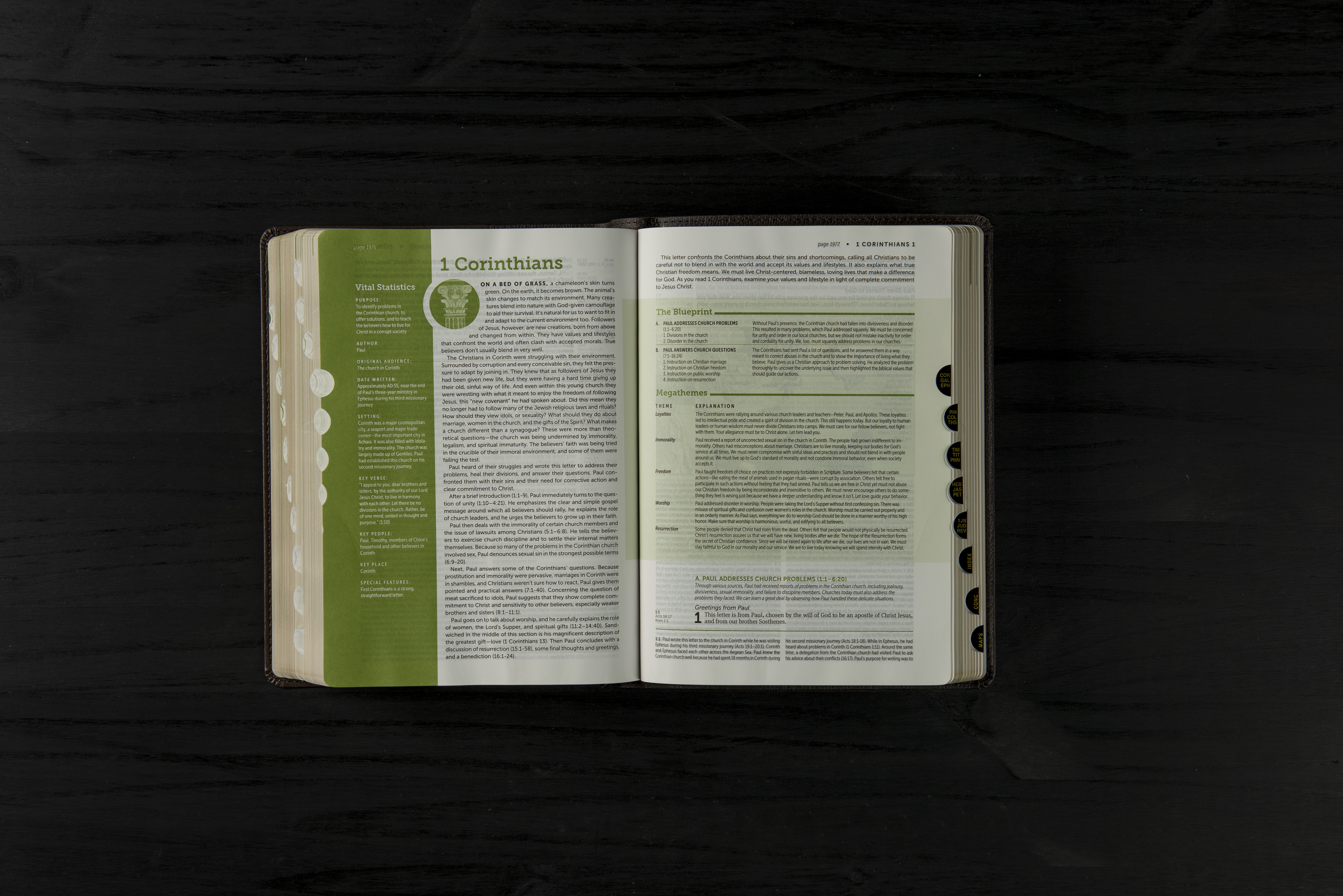







 “How sweet your words taste to me; they are sweeter than honey.” Psalm 119:103, NLT


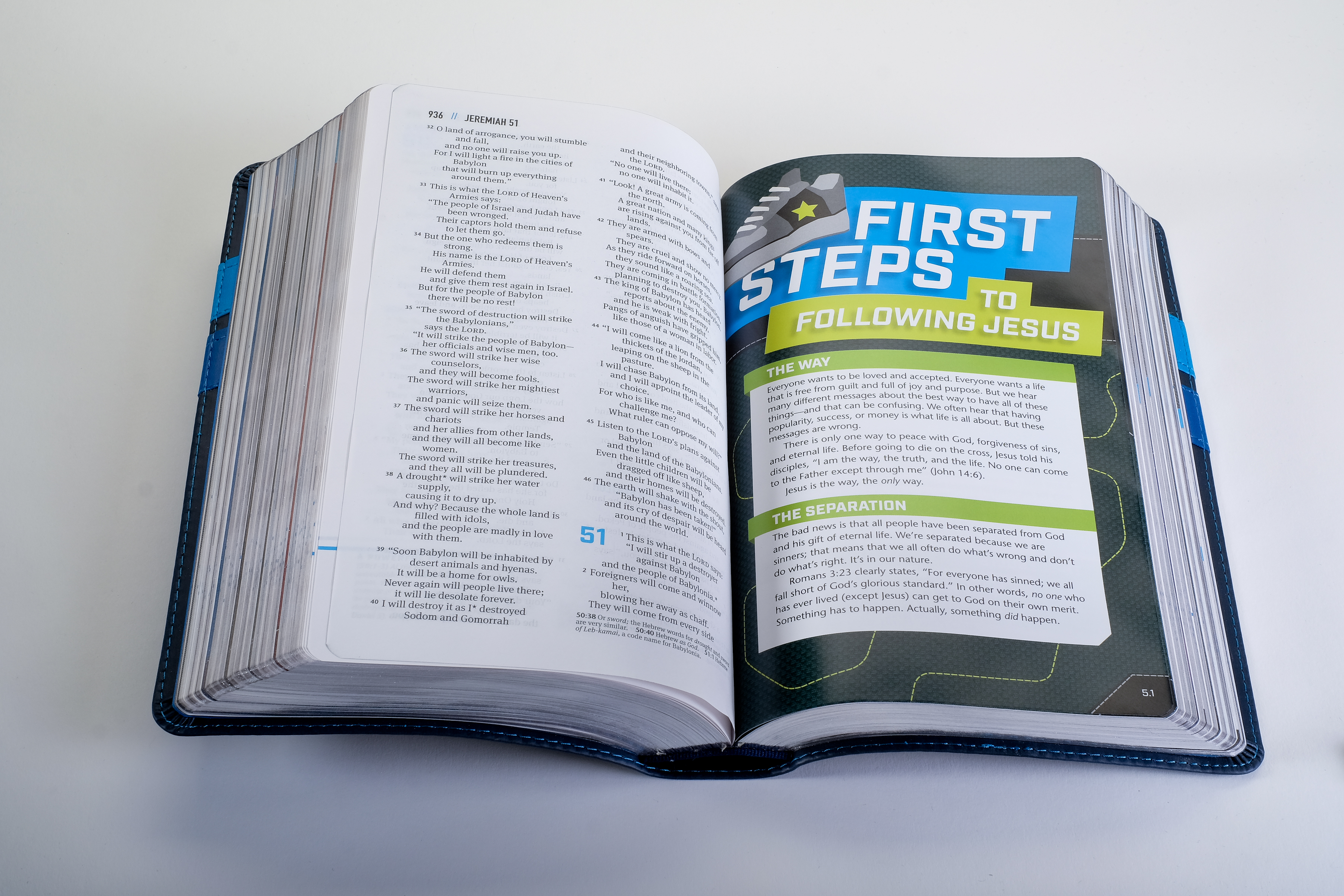


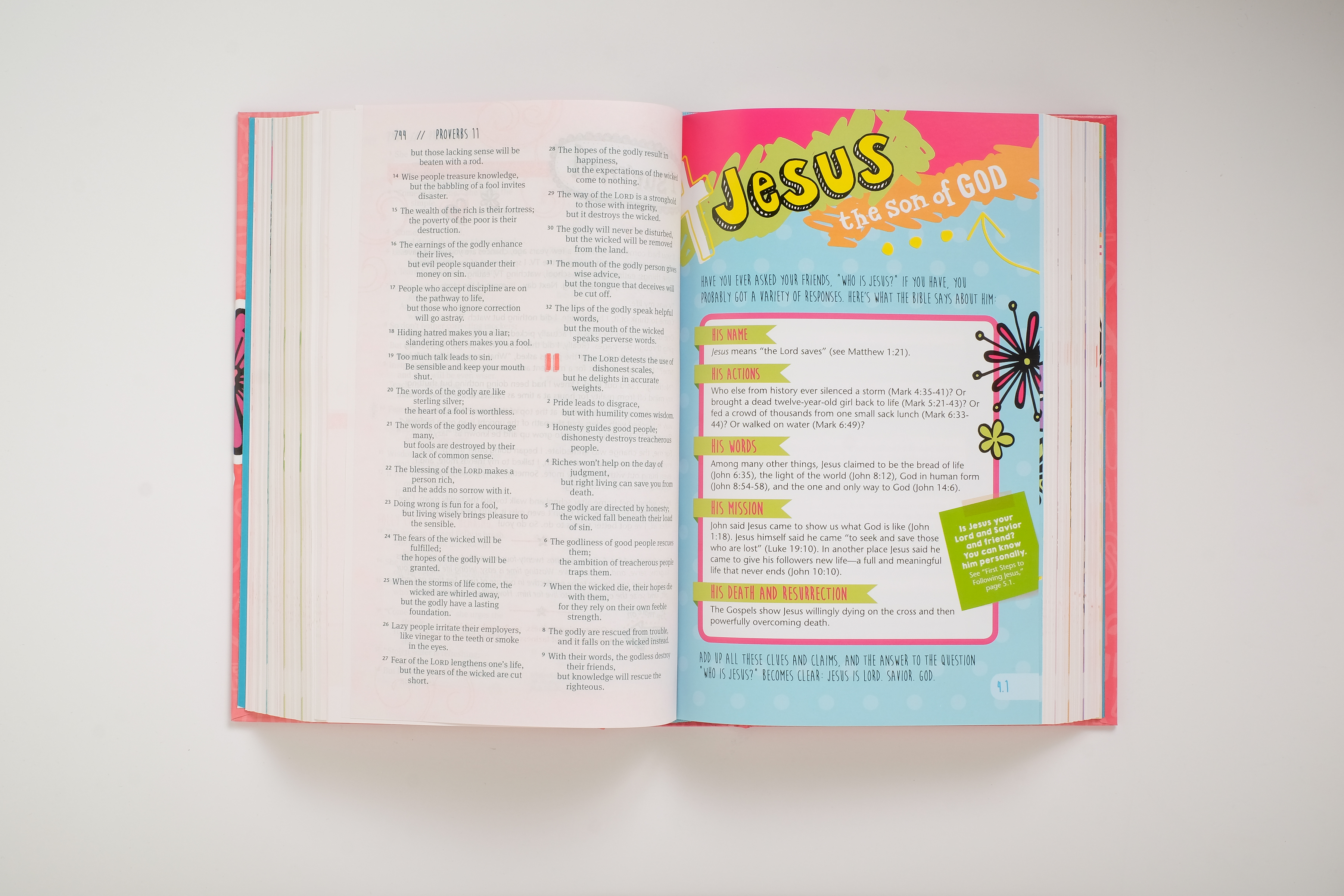




















 And he was willing to take what some might call radical steps to revive his heart, steady his soul, and renew his mind. He also knew the source of what he needed was found in God’s Word.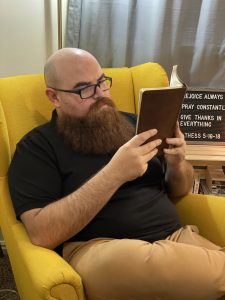
 “My method was to not go about it like many who start in Genesis and try to read through. I tried that before and got burnt out in 2 Samuel. I feel like I need a little more Jesus at that point!” So Levi’s approach was to follow his interest.
 Brothers and sisters in Christ around the world are losing their livelihoods, families, homes, even their own lives because of their faith. It can be overwhelming to hear their stories. We might think, What can I do? When field leaders from
  And then there are the intangible but equally critical spiritual needs: courage for Christians to share the gospel with family members even though they could be disowned for doing so, strength for Christians who are imprisoned for their faith and don’t know if they will see their loved ones again, and wisdom for front-line workers seeking ways to get Bibles to Christians who are surrounded by people who are opposed to the gospel.
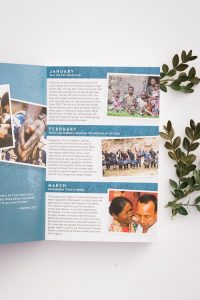 This Bible also includes six featured, full-color stories of people who boldly witness for Christ amid great danger. A fold-out map will help you visualize where our brothers and sisters are being persecuted for their faith and learn more about the locations where sharing the gospel is restricted or hostile.
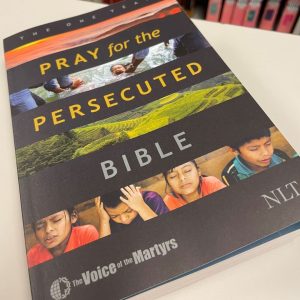 Even though you may never travel to meet your persecuted Christian brothers and sisters in the jungles of Colombia, the Central Highlands of Vietnam, or the desert sands of Algeria, you can fellowship with them through prayer. As you study each daily Scripture reading, remember that the Bible was written by and for persecuted believers. Reading the Bible in this context should spur every believer on to follow Christ more faithfully, both individually and corporately.






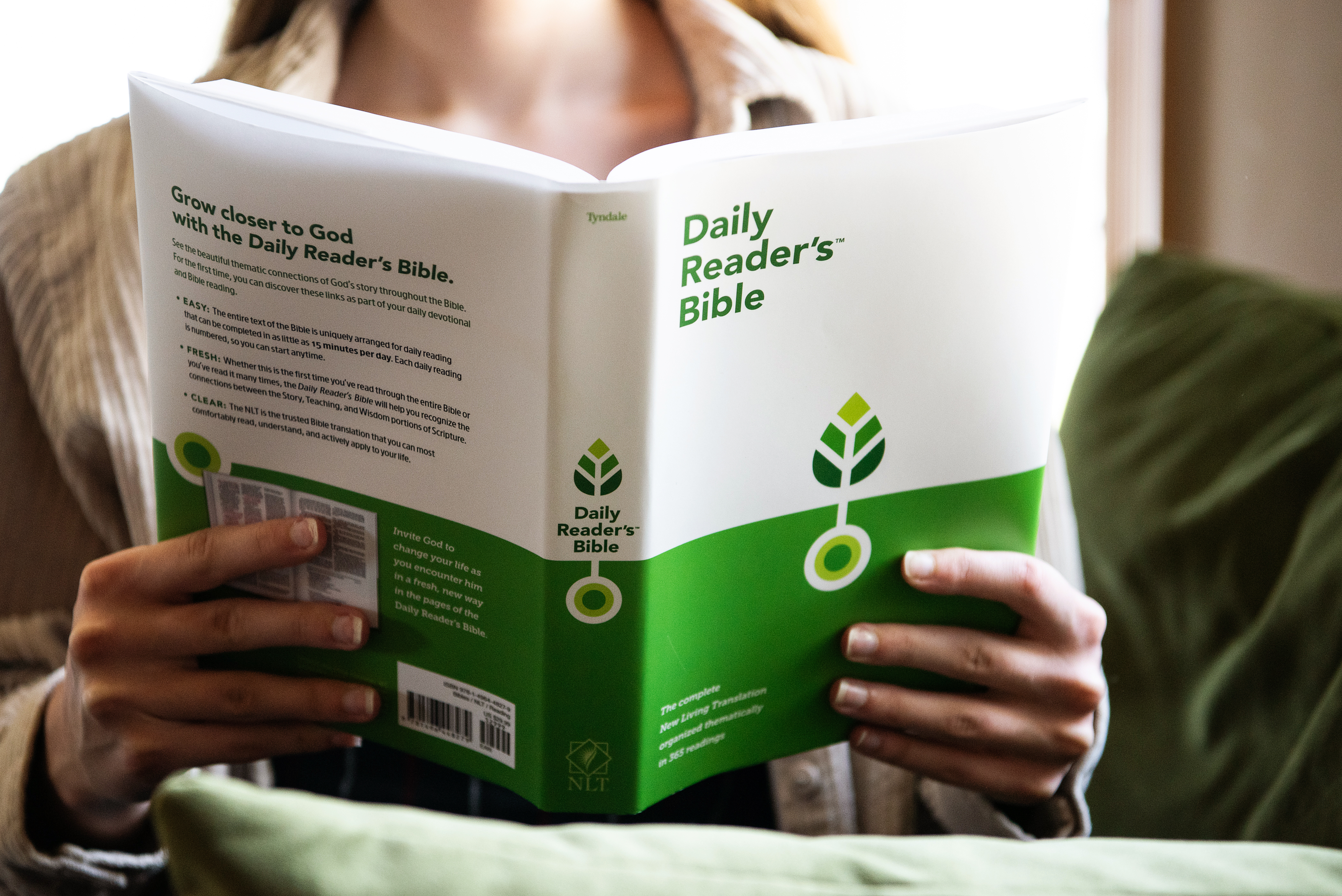



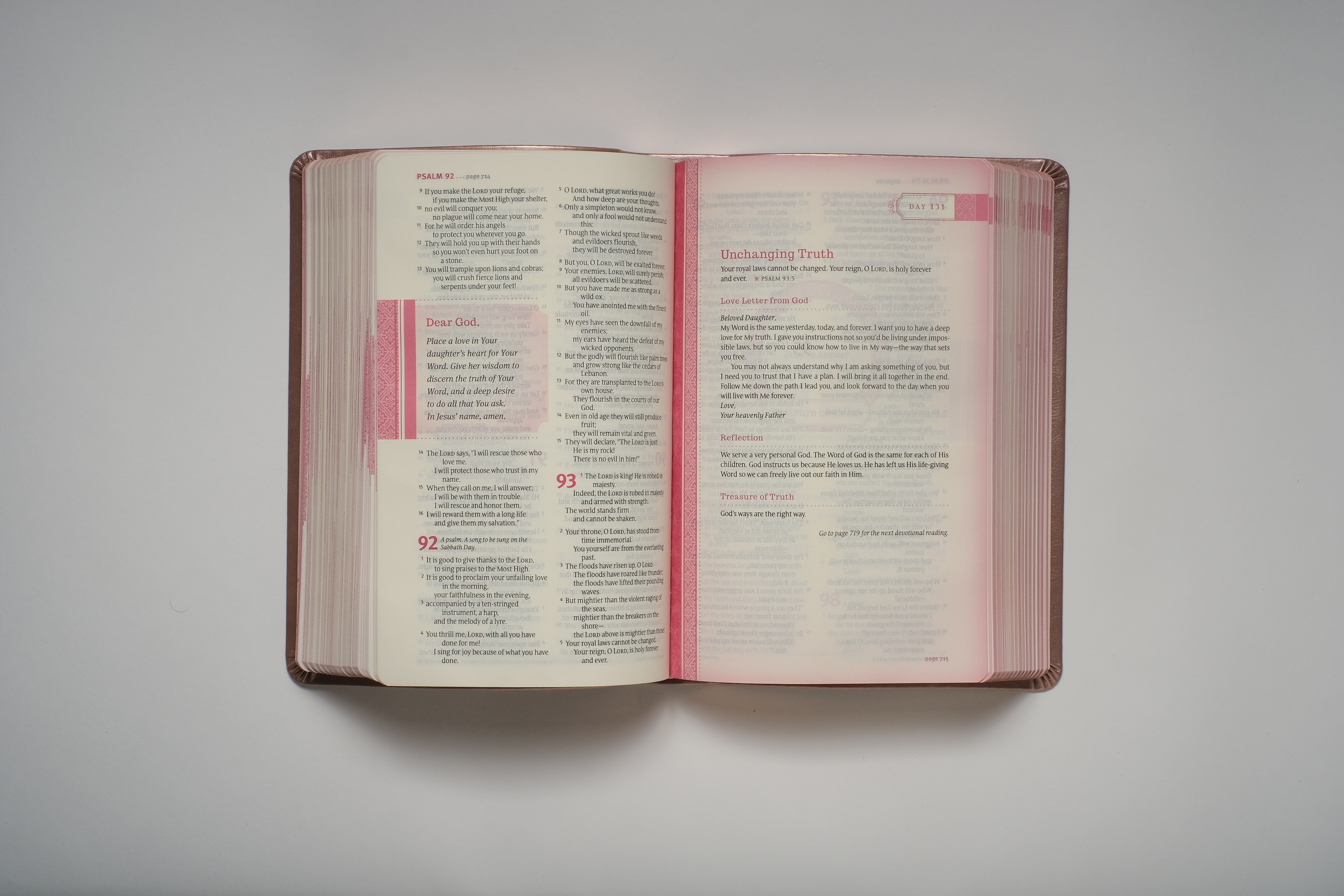

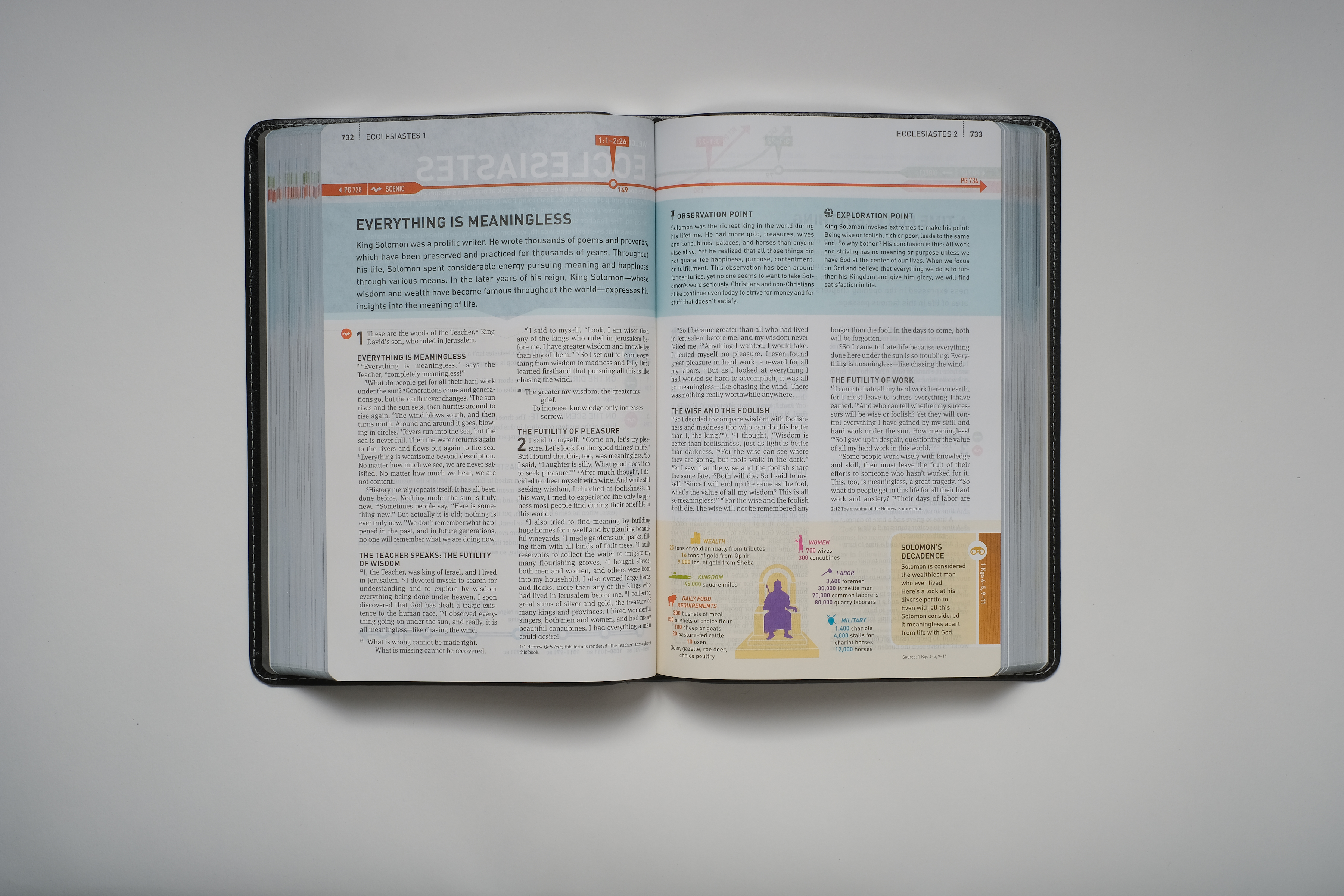
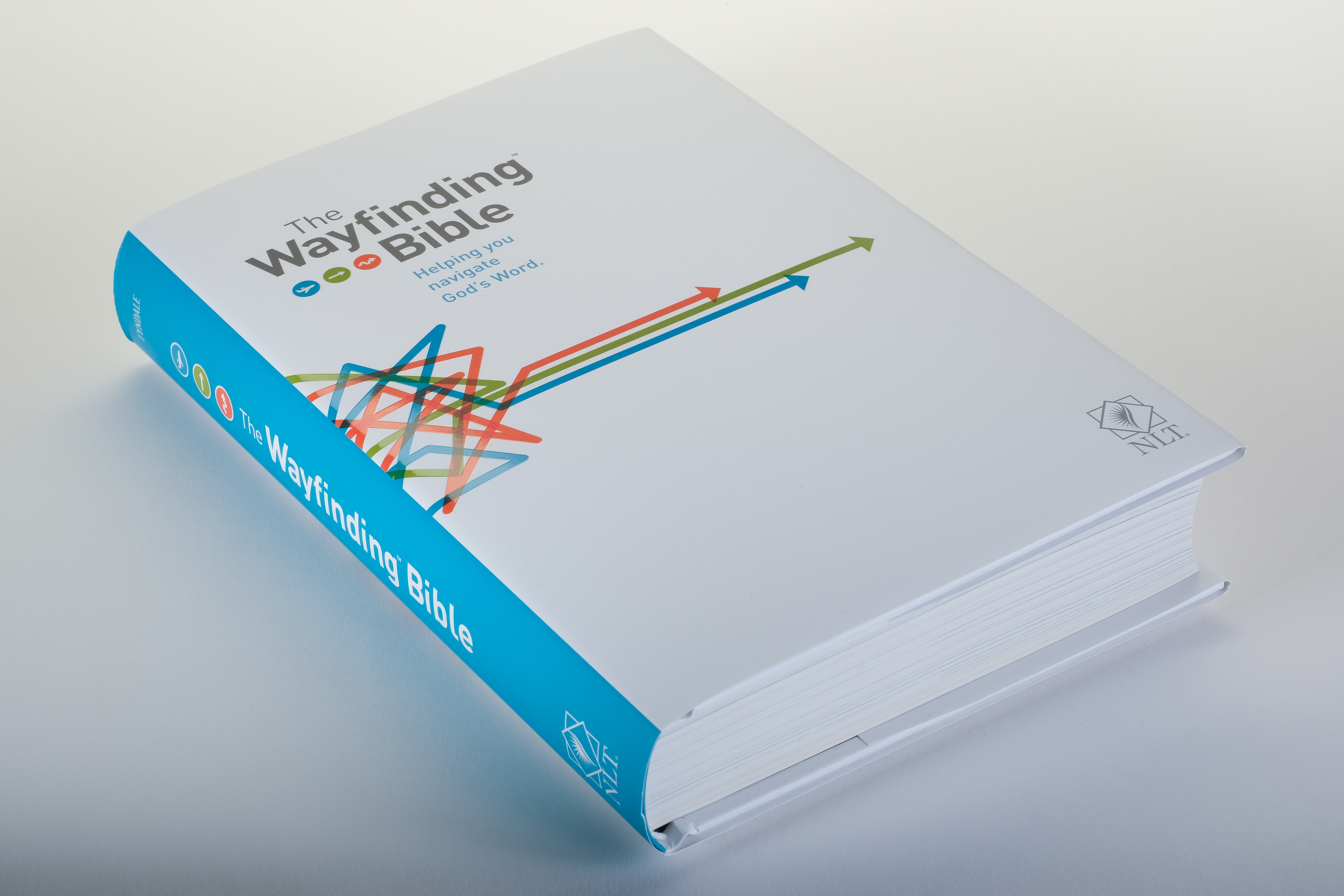



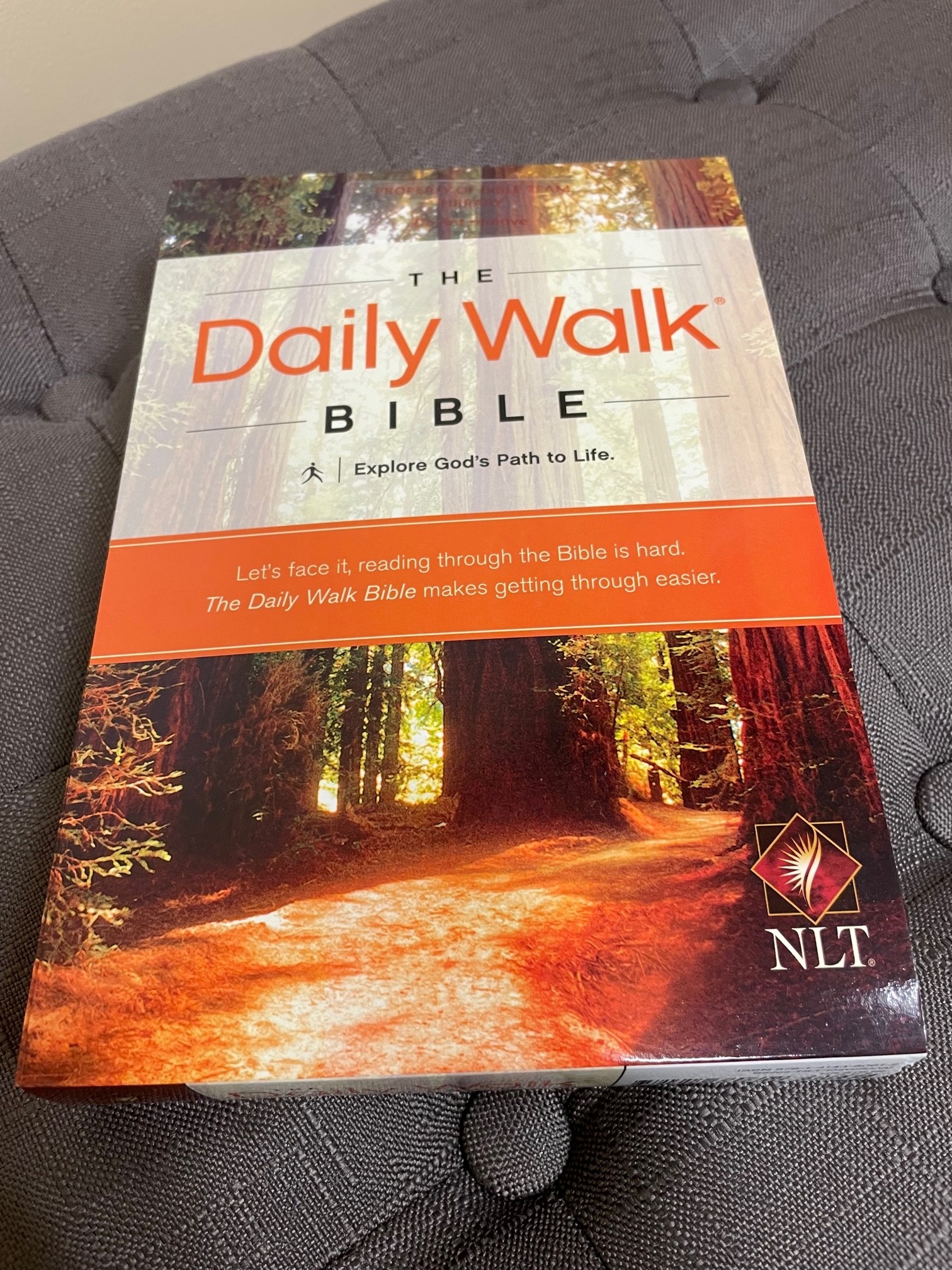

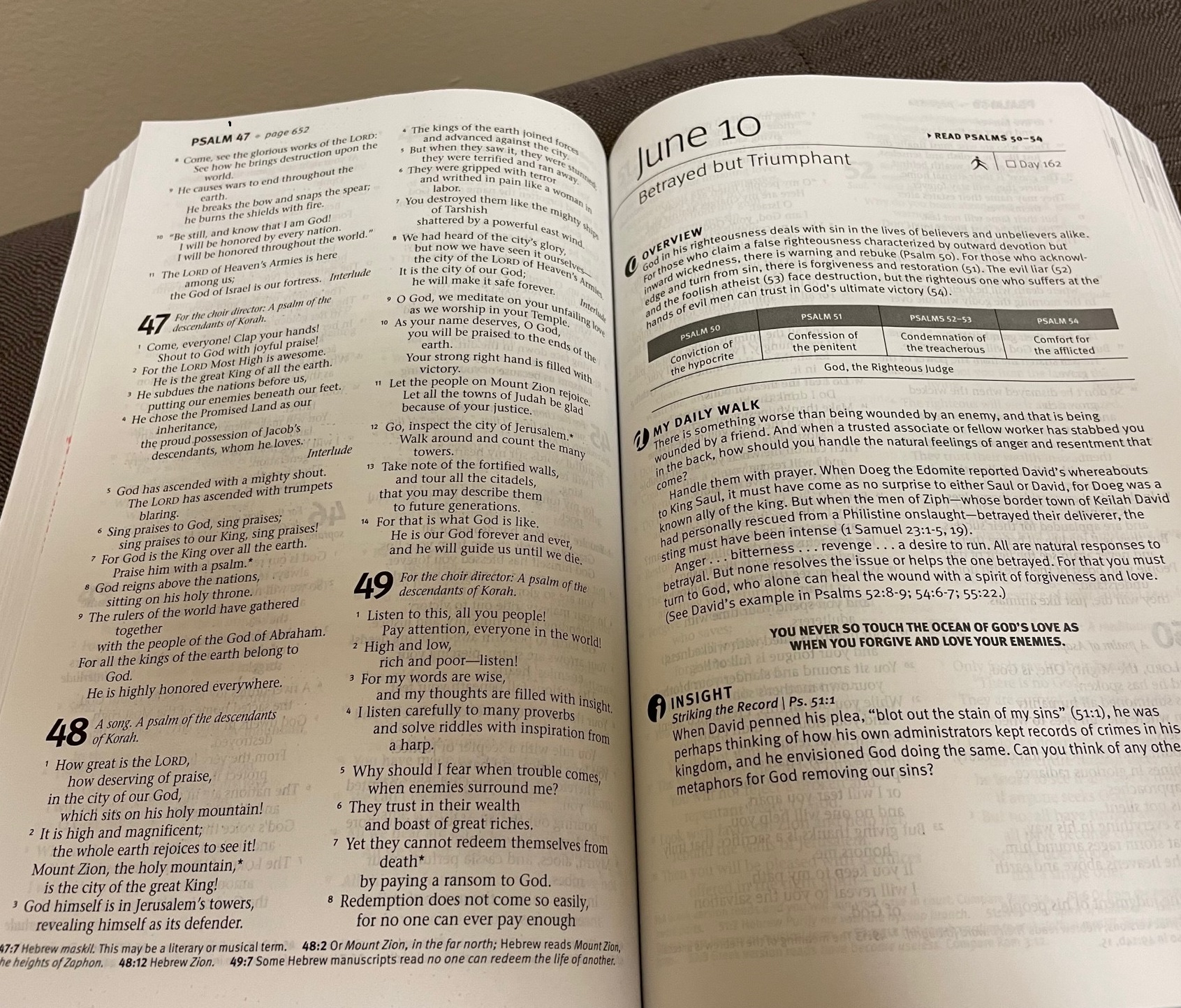



 In our world of sound bites, scrolling, and skimming headlines, reading Scripture may seem like an idea destined to fail. And inviting people to read the entire Bible through in one year? Well, that seems even less likely to attract “followers.”
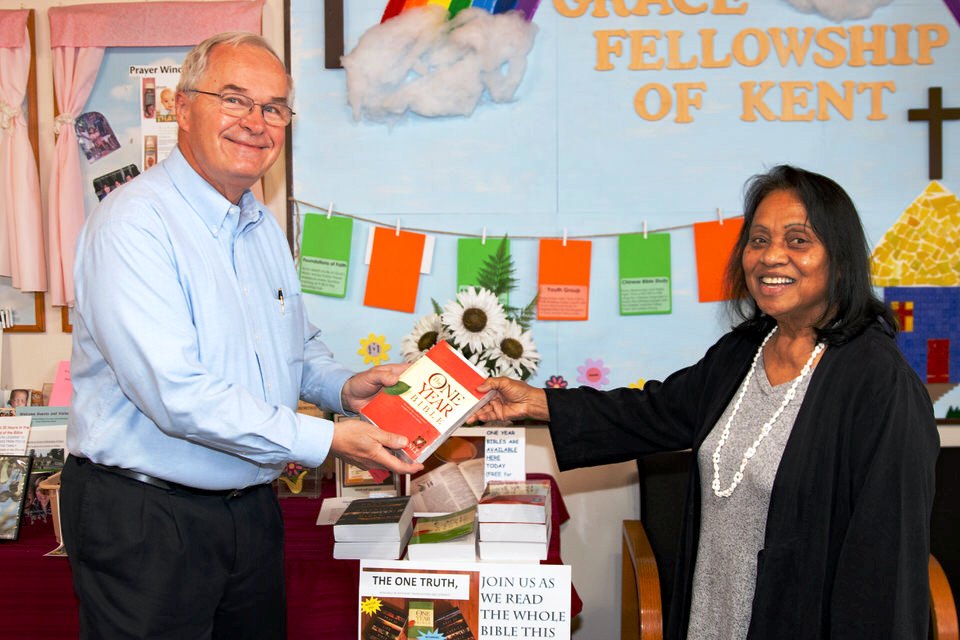 God has provided such a great blessing in His Holy Word, the Bible. This unique and remarkable book describes and demonstrates His many immeasurable qualities and illuminates the only path to eternal life with Him, which is through His only Son and our Savior, Jesus Christ. It gives meaning to history, context to our present life and hope for the future.
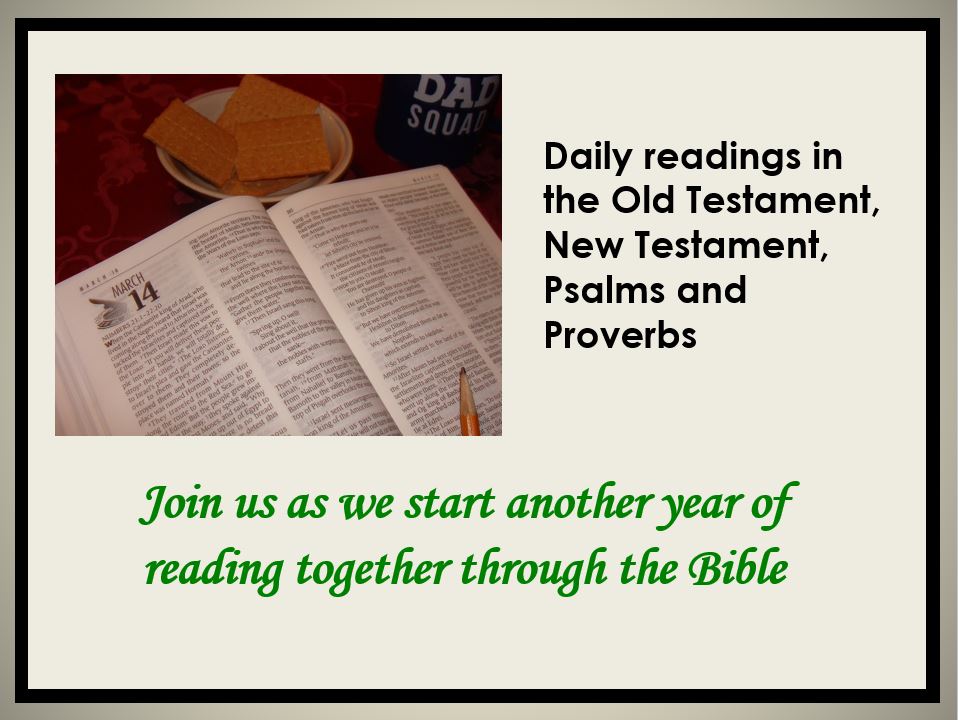 Galvin shared, “We encourage people to follow
  The church continues to regularly provide