by Elizabeth Glanville, PhD.
“Anna, a prophet, was also there in the Temple. She was the daughter of Phanuel from the tribe of Asher, and she was very old. Her husband died when they had been married only seven years. 37Then she lived as a widow to the age of eighty-four.* She never left the Temple but stayed there day and night, worshiping God with fasting and prayer. 38She came along just as Simeon was talking with Mary and Joseph, and she began praising God. She talked about the child to everyone who had been waiting expectantly for God to rescue Jerusalem.” Luke 2:36-28, NLT
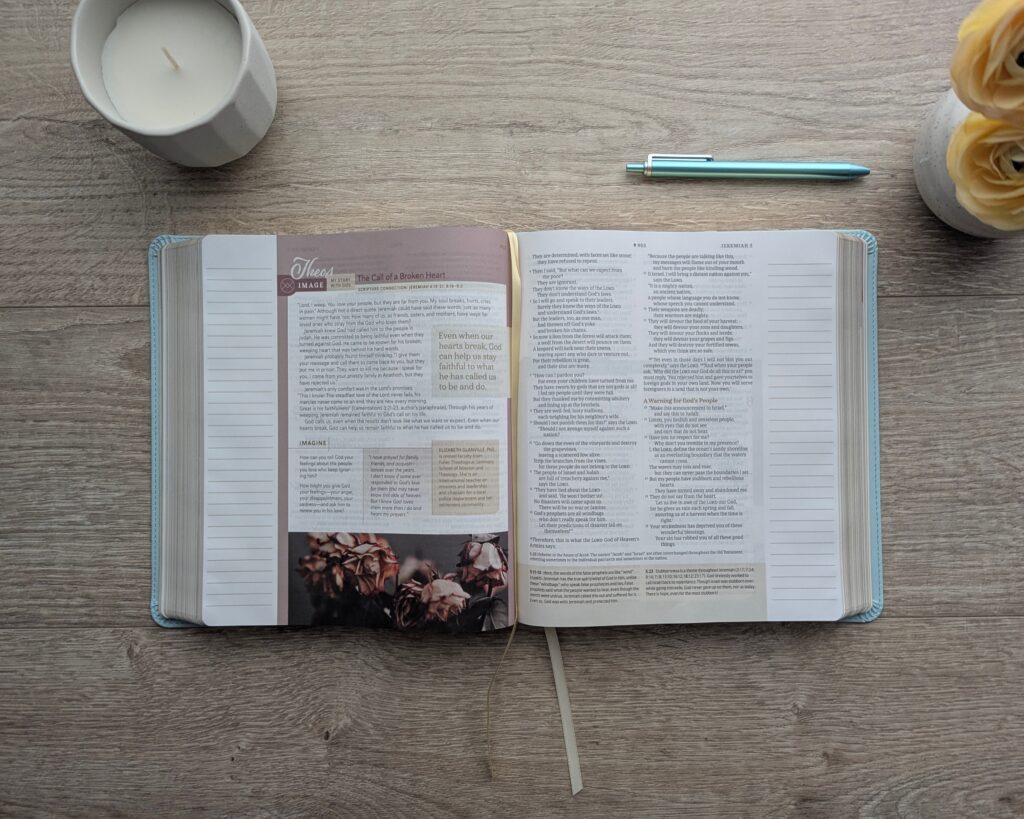
According to the law of Moses, a widow would be given to her husband’s brother or another close relative for care and protection (see Deuteronomy 25:5-10). If she were older, she would be supported by her grown children. But Anna had none of these options. She found protection in the Temple, where she was sustained by prayer and worship. God protected her and fulfilled her longing to see the promised Savior, Jesus. Luke refers to Anna as “a prophet,” which likely reflects her knowledge of God and his will for his people, especially as she announces the presence of the child who would “rescue Jerusalem” (Luke 2:36, 38).
Can you imagine what it would have been like to serve God in his Temple your whole life, and then finally meet the Savior everyone was waiting for? Anna’s prayers after that meeting might have sounded like this:

I saw him this morning . . . the one you, God, promised, our Savior. Oh, how his face glowed with your glory. You have heard my prayers. Hope rises in my heart. Now I can rest in peace in your presence. Take me home to be with you, for I am an old woman of eighty-four years.
Oh, God, I thank you and praise your name. You have been like a husband to me these past sixty years, after losing my beloved after only seven years and having no children to support me. You have protected me, provided for me, and encouraged me. You gave me purpose when I was devastated and alone. Now I see the fruit of being committed to you. My heart fills to overflowing.
As a widow for almost ten years, I have experienced God’s faithfulness. He has restored joy and given me mission and teaching opportunities beyond what I ever expected. While there have been times of pain and challenge, I have a deep, centering peace and joy that only comes from knowing God the Father and the Lord Jesus, much like Anna.
When have you experienced loss yet found strength and new direction from God? How has the Lord been like a husband or family to you, calling you closer? If you are experiencing pain, call out to God, spend time in his presence, and let him love you.
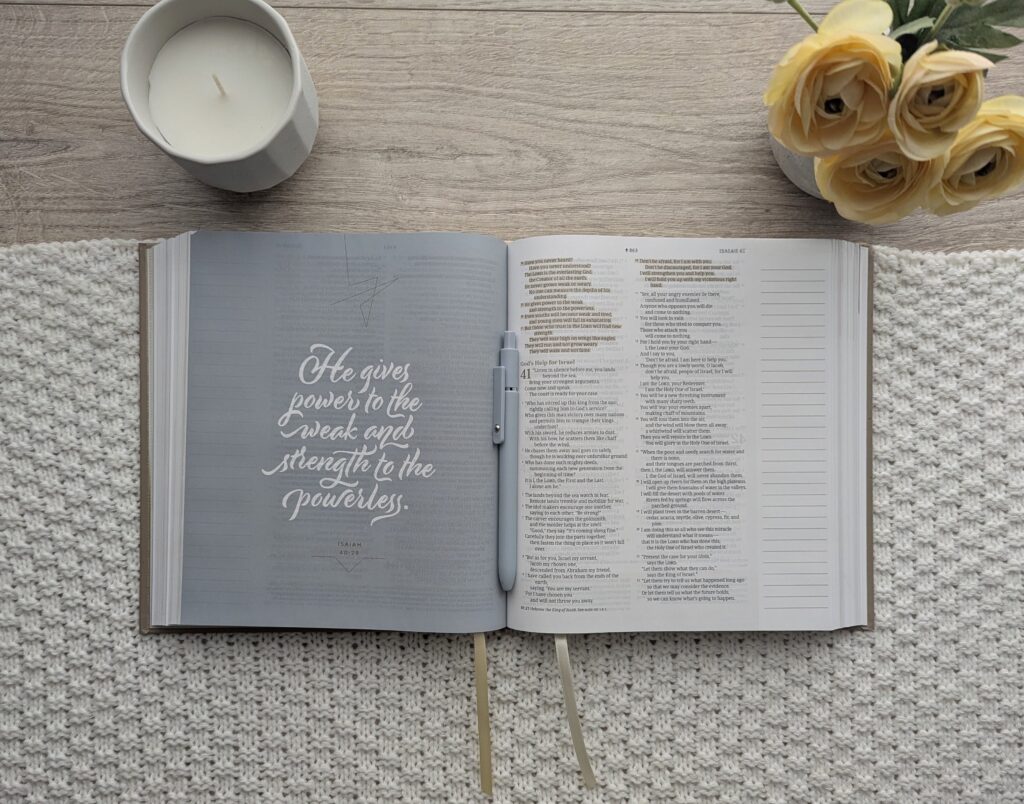
This was taken from the Every Woman’s Bible, Journaling Edition. This Bible doesn’t shy away from the questions women bring to the Bible. In these pages, more than one hundred women around the world explore the heartfelt needs, gritty challenges, and uncommon faithfulness of women throughout history. Now with the added benefit of a wide-ruled margin. Offering ample space for notes, reflections, and prayers.


